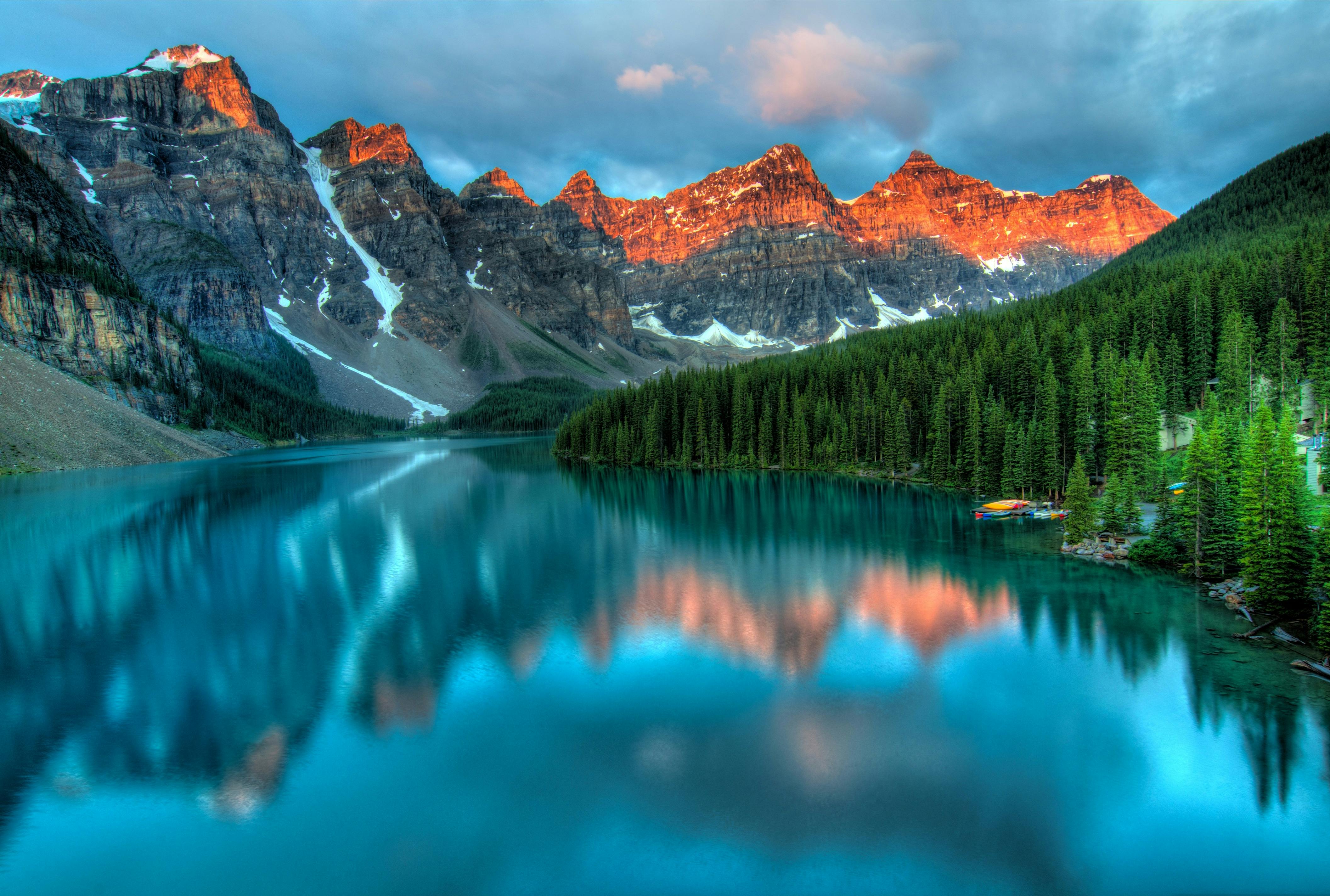
The Chimanimani Mountains — Mozambique's wildest hiking destination. Quartzite peaks 2-3 billion years old, 100+ endemic plants, ancient San rock art, and true wilderness where you walk for days seeing no one.
Mozambique's Wildest Mountains
The Chimanimani Mountains straddle the border between Mozambique and Zimbabwe — a range of jagged quartzite peaks, deep gorges, ancient cave paintings, and some of the highest biodiversity in southern Africa. The Mozambican side is wilder, emptier, and far less visited than the Zimbabwean side.
This is one of the last true wilderness hiking destinations in Africa.
The Mountains
The Chimanimani range rises to 2,436 metres at Mount Binga — Mozambique's highest peak. The core of the range is a block of quartzite — a stone so old that it predates most life on Earth, formed 2-3 billion years ago. The quartzite creates dramatic landscapes: sheer cliffs, natural rock pools, narrow gorges, and bare stone plateaus that feel like another planet.
The mountains are crossed by a network of paths — some maintained, some barely visible — that connect valleys, peaks, and the few communities that live within the range.
Biodiversity
Chimanimani is a biodiversity hotspot:
- Endemic plants: Over 100 plant species found nowhere else on Earth, including rare cycads, orchids, and giant proteas.
- Birds: specials include the Chirinda apalis, Swynnerton's robin, and the rare blue swallow.
- Mammals: leopards (rare), samango monkeys, antelope, and small predators.
- Reptiles and amphibians: Numerous endemic species, particularly in the montane forest zones.
Rock Art
The Chimanimani caves contain rock paintings dating back thousands of years — some possibly over 10,000 years. Created by San (Bushman) hunter-gatherers, the paintings depict eland, hunters, and spiritual scenes. They are some of the finest rock art in southern Africa, and unlike many rock art sites, they are completely unprotected and unregulated — you can walk right up to them.
Hiking the Chimanimani
The Binga Ascent (2-3 days)
The climb to Mozambique's highest peak. Start from Muhanga community, ascend through montane forest, camp on the plateau, summit at dawn. Requires a community guide — the paths are unmarked and the weather can change rapidly.
The Plateau Traverse (3-5 days)
Cross the Chimanimani plateau from east to west, sleeping in caves and rock shelters. This is a true wilderness expedition — no trails, no facilities, no mobile signal. You carry everything. The reward is landscapes that look like the cover of a fantasy novel.
Day Hikes
Shorter walks from Muhanga to waterfalls, rock pools, and viewpoints. Suitable for less experienced hikers.
Practical Information
- Base: Muhanga village, accessible by road from Chimoio (Manica's capital, 3 hours).
- Guides: Essential. Community guides from Muhanga (listed on nendeni.com) know the paths, water sources, and cave locations.
- Best season: May to September (dry, cool, clear). Avoid November–March (rain, fog, cold).
- What to bring: Full camping gear, warm clothing (nights drop to 5°C even in summer), rain gear, water purification, food, first aid kit. There are no shops, no water taps, no facilities.
- Physical difficulty: Moderate to hard. The terrain is rough, the altitude significant, and the isolation total.
Why It Matters
The Chimanimani Mountains are under pressure. Illegal logging, gold panning, and poaching threaten the ecosystem. The Mozambican side of the range has limited formal protection — community conservation initiatives are the primary defense.
When you hike the Chimanimani with community guides, your tourism spending directly supports the people who are protecting this extraordinary landscape. It is conservation through economics — the same model that defines ethical tourism across Mozambique.
A True Wilderness
The Chimanimani is one of the last places in southern Africa where you can walk for days and see no one. No roads. No signal. No infrastructure. Just ancient stone, endemic plants, cave paintings from a vanished people, and the sound of wind on quartzite.
It is not easy to reach. It is not comfortable. But the wild places of the world are disappearing, and this one is worth the effort.
Find hiking guides in Manica at nendeni.com.