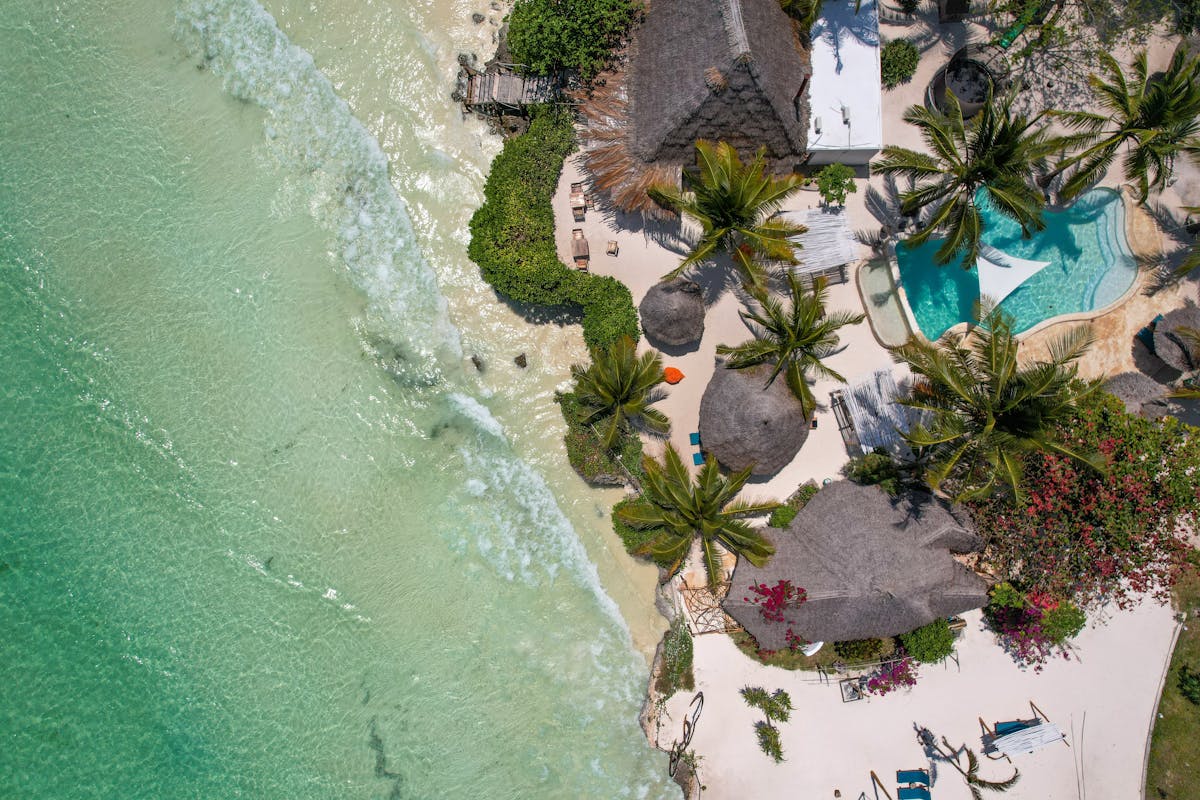
Cabo Delgado's northern conflict zone is off-limits, but the south — Pemba, Ibo Island, and the Quirimbas — is safe and spectacular. This guide covers what's safe, what to see, and how ethical tourism contributes to peace.
Cabo Delgado: Safe Zones, Islands & Cultural Treasures
Cabo Delgado — Mozambique's northeasternmost province — is a place of heartbreaking complexity. The northern conflict has devastated communities and displaced hundreds of thousands. But the southern part of the province, including Pemba and the Quirimbas, remains safe, welcoming, and home to some of the most stunning coastline in Africa.
Safety Situation (2026)
Avoid Entirely
- Palma — attacked in 2021, still dangerous
- Mocímboa da Praia — repeatedly attacked, militant stronghold
- Macomia, Muidumbe, Nangade, Mueda — conflict zone
Caution (Monitor Closely)
- Mueda Plateau — historically safe but near conflict areas. Check current advisories.
- Northern Quirimbas (north of Ibo) — remote, limited security presence
Safe to Visit
- Pemba — provincial capital, safe, well-connected
- Ibo Island — safe, accessible by air or boat from Pemba
- Southern Quirimbas (Matemo, Medjumbe, Quilalea) — safe, resort-operated
- Mecúfi and the coast south of Pemba — safe beach areas
- Pemba to Metoro road (EN1 south) — safe
Always check your government's travel advisory and the Mozambique security updates before traveling to Cabo Delgado.
Top Experiences (Safe Zones)
1. Pemba City
The provincial capital and gateway to the Quirimbas. A hilly city overlooking one of Africa's deepest natural harbors.
What to do:
- Pemba Beach — the city's main beach, lined with baobab trees
- Mercado Central — bustling market selling Makonde carvings, capulanas, and fresh fish
- Wimbe Beach — the upscale beach area with restaurants and bars
- Sunset at the baobab — a massive ancient baobab on the shore, perfect for sunset
2. Ibo Island
The jewel of the Quirimbas — a coral-stone island town with 500 years of history, silver artisans, and empty sandbanks.
What to do:
- Stone Town — colonial buildings, Fort São João Baptista (1791)
- Silver filigree workshop — Ibo is famous for its silversmiths, who create intricate filigree jewelry using techniques passed from Arab traders
- Mangrove kayaking — paddle through channels teeming with birdlife
- Dhow sailing — traditional sail to neighboring islands
- Sandbank picnics — at low tide, walk to sandbanks that appear from nowhere
3. Quirimbas Archipelago (Southern Islands)
The southern Quirimbas are safe, resort-operated, and spectacularly beautiful.
Islands:
- Matemo — community lodge, pristine beaches, snorkeling
- Medjumbe — ultra-exclusive private island
- Quilalea — luxury eco-lodge, turtle nesting beach
- Vamizi — community-conservation island, diving, whale watching
4. Makonde Plateau
The Makonde people are Mozambique's most famous artists — their wood carvings are exhibited in museums worldwide. The Makonde Plateau (southwest of Pemba, in the safe zone) is their cultural heartland.
What to do:
- Makonde carving workshops — watch master carvers transform African blackwood (mpingpanga) into intricate sculptures
- Mapiko masks — traditional ceremonial masks used in coming-of-age rituals
- Community cultural tours — learn about Makonde spirituality, music, and matrilineal society
The Makonde People
Art & Carving
Makonde wood carving is recognized as one of Africa's great art traditions. The three styles:
- Shetani (spirits) — abstract, surreal figures representing spirits and dreams
- Dimoongo (tree of life) — a single piece of wood carved into a tree with interlinked figures, symbolizing family and community
- Realist — depictions of daily life, animals, and people
The wood used is African blackwood (Dalbergia melanoxylon, locally mpingo) — one of the most expensive and sought-after woods in the world, also used for musical instruments.
Culture
The Makonde are matrilineal — unusual in a region where most groups are patrilineal. Men traditionally moved to their wives' villages after marriage. The Mapiko masquerade is their most important cultural expression — masked dancers representing spirits perform at initiation ceremonies.
Silver Filigree of Ibo Island
Ibo Island's silversmiths practice a craft that dates to Arab trading days. Using silver wire thinner than thread, they create intricate filigree jewelry — rings, earrings, pendants — in patterns that blend Islamic geometric design with African motifs. Each piece is unique and handmade. Buy directly from artisans on the island.
How to Get There
- By air: LAM flies Maputo–Pemba (POL), ~3 hours direct or via Nampula. International connections via Dar es Salaam and Nairobi.
- By road: The EN1 from the south reaches Pemba but passes through higher-risk areas. Flying is strongly recommended.
- To Ibo Island: Charter flight from Pemba (30 min) or dhow/boat transfer (2–3 hours).
Where to Stay
- Pemba: Pemba Beach Hotel, Hotel Rafael, various guesthouses
- Ibo Island: Ibo Island Lodge, boutique guesthouses in Stone Town
- Quirimbas resorts: Azura Quilalea, Matemo Island Resort, Medjumbe Private Island
The Bigger Picture
Cabo Delgado's conflict is rooted in inequality — a province rich in natural gas, rubies, and tourism, but where communities have seen little benefit. The conflict has displaced over 1 million people. Ethical tourism — that directly benefits local communities — is part of the solution. When you visit Pemba, Ibo, and the Quirimbas, your spending supports families, creates jobs, and helps build the stability that undermines extremism.
Choose community-verified operators and lodges. Ask where your money goes. Cabo Delgado's safe zones need and deserve visitors — not abandonment.
The Bottom Line
Cabo Delgado is not one place — it's two. The conflict zone in the north is off-limits. But the southern coast — Pemba, Ibo Island, the Quirimbas — is safe, spectacular, and culturally rich. Visit the safe zones. Support community tourism. Experience the Makonde art and Ibo silver that are unique to this corner of Africa. And travel with the awareness that your presence, spent ethically, contributes to peace.