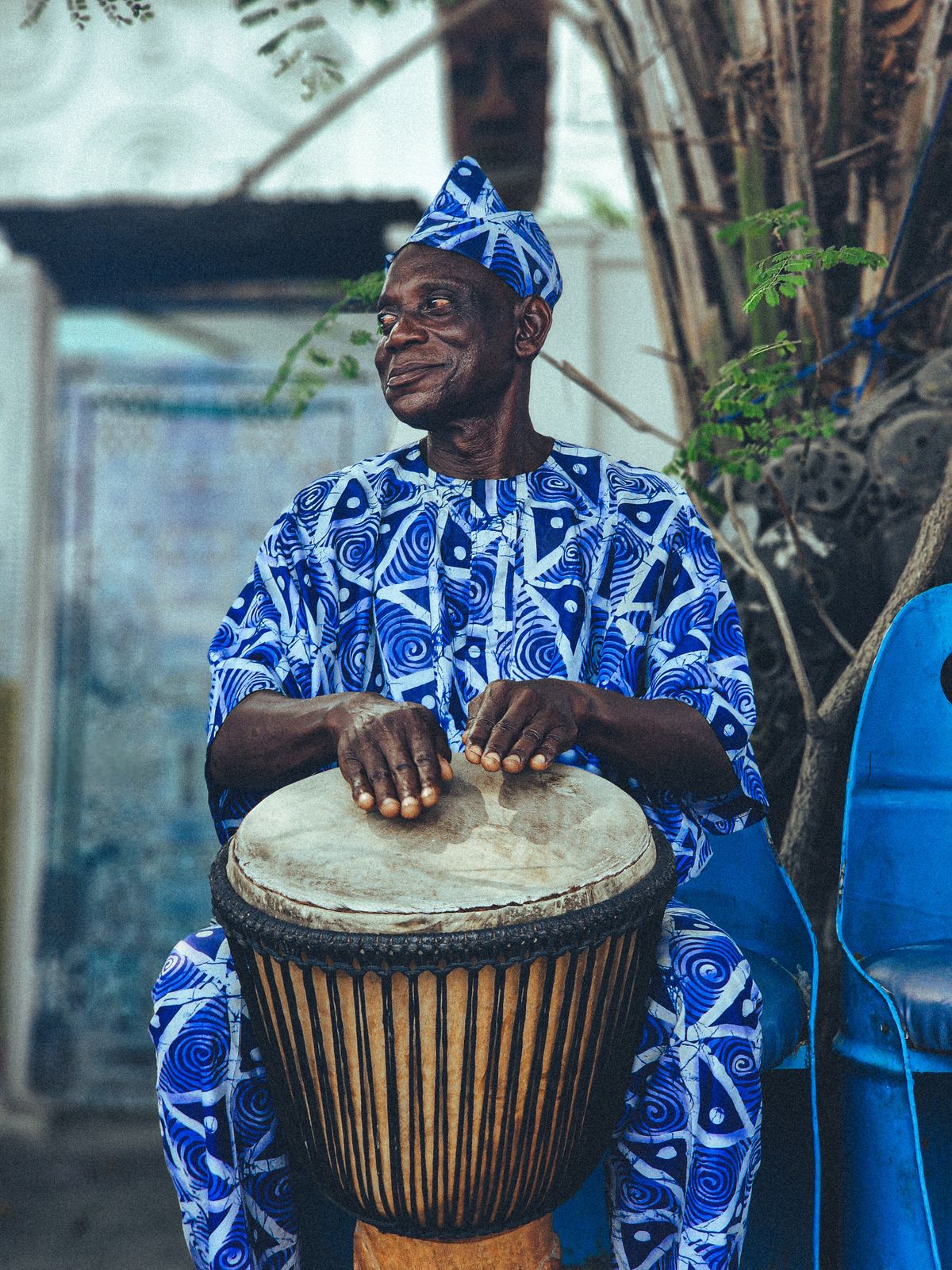
From the resistance anthems of marrabenta to the polyrhythmic pulse of timbila, from taarab on the northern coast to modern Maputo hip-hop — Mozambican music tells the story of a nation through its rhythms.
Mozambique Music: From Marrabenta to Modern Beats
Music is the heartbeat of Mozambique. From the resistance anthems of marrabenta to the polyrhythmic pulse of timbila, from Islamic-influenced taarab on the northern coast to the electronic fusion of modern Maputo, Mozambican music tells the story of a nation — its pain, its joy, and its irrepressible rhythm.
The Roots
Traditional Music
Mozambique's musical heritage is as diverse as its 11 provinces and dozens of ethnic groups. Each region has distinct instruments, rhythms, and traditions:
- Timbila (Gaza/Tsonga) — a type of marimba played in ensembles, recognized by UNESCO as a Masterpiece of the Oral and Intangible Heritage of Humanity
- Mbira (Manica/Ndau) — thumb piano used in spiritual ceremonies
- Marimba (Tete/Nhungwe) — xylophone, different tuning from timbila
- Xitende (north) — one-stringed bow instrument
- Drums — countless variations, from the tall ngoma of the south to the small hand drums of the Makonde
The Swahili Influence
Northern Mozambique's music bears the imprint of centuries of Indian Ocean trade. Taarab (Zanzibar-influenced), Islamic devotional music, and Arabic-influenced vocal styles blend with Bantu rhythms — creating a sound unique to the coast from Pemba to the Quirimbas.
Marrabenta: The Sound of Resistance
Origins (1930s–1950s)
Marrabenta was born in the musseques (shantytowns) of Maputo in the 1930s. The name comes from the Portuguese word arrastar (to drag) — the music's characteristic shuffling rhythm. Early marrabenta used homemade instruments: oil-can guitars, tin-can percussion, and any string that could be stretched and plucked.
The music was a response to colonial oppression — coded lyrics spoke of poverty, longing, and resistance in ways censors couldn't easily detect. It was dance music with a subversive soul.
The Golden Age (1960s–1980s)
Bands like Fany Pfumo, Dilon Djindji, and Orchestra Marrabenta Star de Moçambique took marrabenta from the musseques to national prominence. The music blended traditional rhythms with Portuguese guitar, Congolese rumba, and South African kwela.
After independence in 1975, marrabenta became the sound of the new nation — played at rallies, on the radio, and at celebrations. It was Mozambican, proud, and free.
Marrabenta Today
Contemporary artists like Mingas, Stewart Sukuma, and the band Mabulu continue the marrabenta tradition, fusing it with hip-hop, reggae, and electronic music. The genre remains a living tradition — not a museum piece but a sound that evolves with each generation.
Listen to: "Nwadjahani" by Orchestra Marrabenta Star, "Aninha" by Fany Pfumo, anything by Mabulu
Other Major Genres
Pandza
A modern electronic genre from southern Mozambique — fast-paced, danceable, and hugely popular among young people. Pandza blends marrabenta rhythms with house music production, creating a sound that fills dance floors from Maputo to Xai-Xai.
Npui
Traditional Makonde music featuring call-and-response vocals and complex polyrhythmic drumming. Often performed at initiation ceremonies.
Xigubu
A drum-based genre from southern Mozambique, traditionally performed by women. Powerful, rhythmic, and ceremonial.
Taarab
Northern coastal music influenced by Zanzibar and the Arab world. Features orchestral arrangements with oud, accordion, and strings, sung in Swahili and Portuguese.
Modern Mozambican Music
Hip-Hop and Rap
Maputo's hip-hop scene is vibrant, with artists like Azagaia, Dama do Bling, and Laylizzy addressing social issues, politics, and youth culture. Azagaia's "Povo" became an unofficial anthem of Mozambican youth protest.
Electronic and Dance
DJ Benny T, Felix Wurx, and others produce electronic music that samples traditional instruments and rhythms, creating a distinctly Mozambican electronic sound.
Afro-Pop
Artists like Valdo, Nelson Songstress, and Gerry produce polished Afro-pop that draws on marrabenta, pandza, and international pop influences.
Where to Experience Live Music
- Maputo: Centro Cultural Franco-Moçambicano (CCFM), Gil Vicente, and various bars in Bairro dos Pescadores
- AZGO Festival — May, Maputo — 3-day music festival
- Tambo International Art Festival — September, Maputo — music, theater, and art
- Tofo: Beach bars often host live music
- Ilha de Moçambique: Traditional music at cultural events
- Local markets and community events — always music, everywhere
The Bottom Line
Mozambican music is not background noise — it's a living narrative. Every rhythm carries history: the coded resistance of marrabenta, the spiritual depth of the timbila, the oceanic currents of taarab, the youthful defiance of pandza and hip-hop. To understand Mozambique, listen to its music. Then dance.